
How to Choose the Best Cat Litter (And Why the Wrong Litter Causes Litter Box Problems)
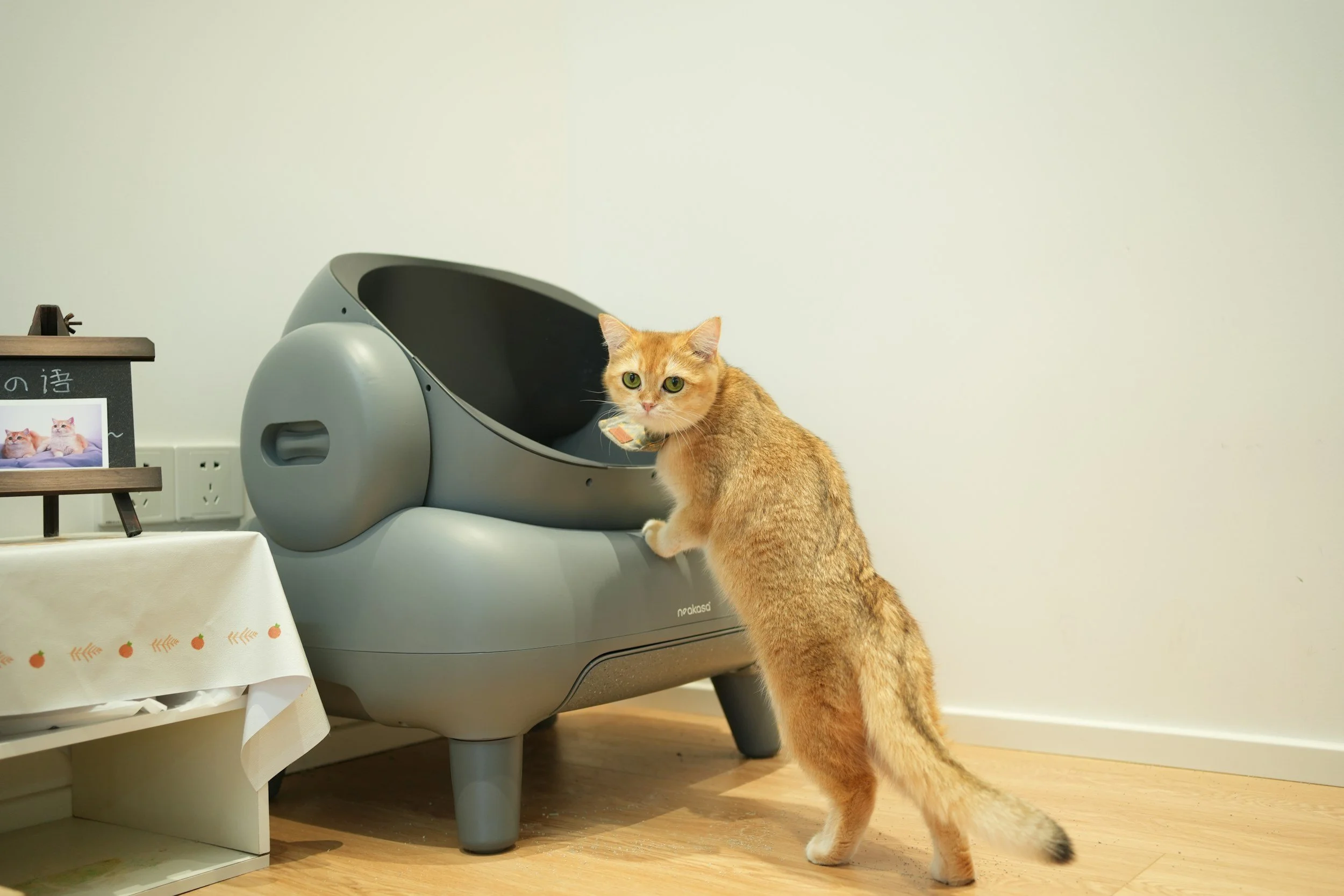
Many litter box problems that people assume are behavioral actually start with something much simpler: the litter itself. Cats can be incredibly particular about what they stand on when they go to the bathroom. Texture, smell, and comfort all matter a great deal to them — often more than we realize.
Cats tend to prefer litters that are soft and easy on their paws. We already know our felines love to dig! Imagine yourself stepping barefoot on a shoreline. Would you rather have your feet on a fine sandy beach or a rocky coast? What would feel better?
Most cats feel the same way. :)

While many humans prefer pellet litters for their convenience and economy, pellets can have sharp edges and be uncomfortable on sensitive paw pads. When litter is physically uncomfortable, some cats will simply avoid the litter box entirely — which can lead to house soiling. Some pine litter pellets can also cause allergic reactions when they break down due to outgassing.
Cats with particularly sensitive paws may struggle even more. Arthritic cats and declawed cats often experience heightened paw sensitivity, so making sure their litter is especially soft can go a long way toward keeping them comfortable — and preventing litter box avoidance issues.
Tofu, corn, and grass-based litters can be good options, and there are even specially formulated “extra soft” litters designed specifically for sensitive paws. There are also special “cat attract” litters that can help make the litterbox a welcoming place again for your feline if they have become avoidant.
In my behavior practice, I have found that house soiling cases in which the litter substrate is pellets are almost immediately resolved once the litter is switched to a softer substance. Sometimes it really IS that easy!
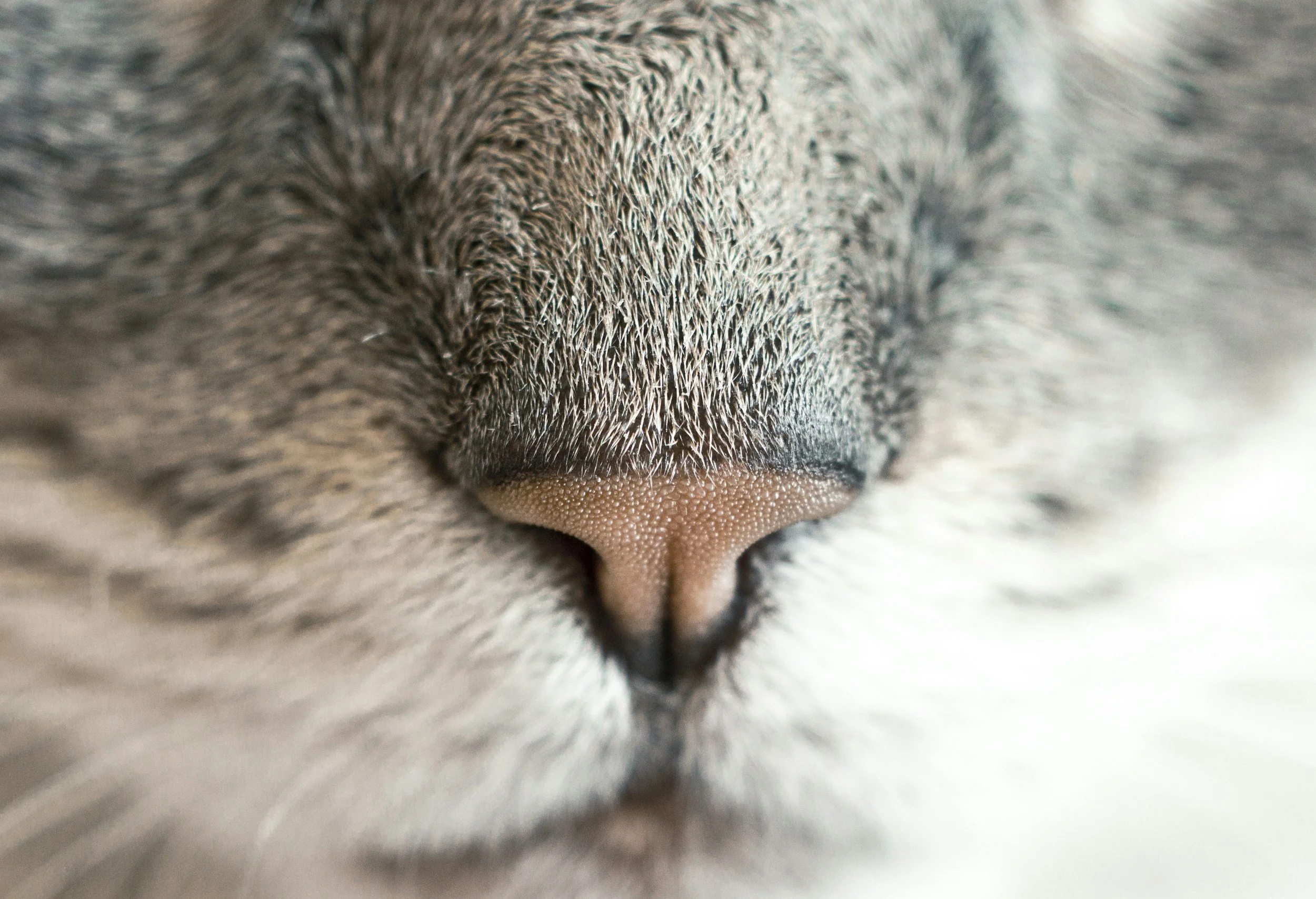
When choosing a litter, it’s important to remember that cats experience smell very differently than we do. Our feline companions have an extraordinary sense of smell (14 to 20 times stronger than ours), so litters with strong chemical scents or added fragrances can be extremely unpleasant for them. When possible, choose an unscented litter and avoid heavy artificial fragrances.
Dust is another important factor. High-dust litters can irritate both feline and human respiratory systems, so looking for low-dust or dust-free formulations is beneficial for everyone in the household.
Odor control also plays a role in choosing the right litter. The number of cats using the litter boxes — and how frequently you scoop and clean them — will largely determine how much odor control you need.
Having the right amount of litter boxes is also super important! Remember that the general rule for litter boxes is:
Number of cats + 1
This ensures every cat has consistent access to a clean and safe bathroom option. Cats often like to urinate in one box and defecate in another, so even if you only have one cat, you’ll need two boxes for their ultimate comfort.
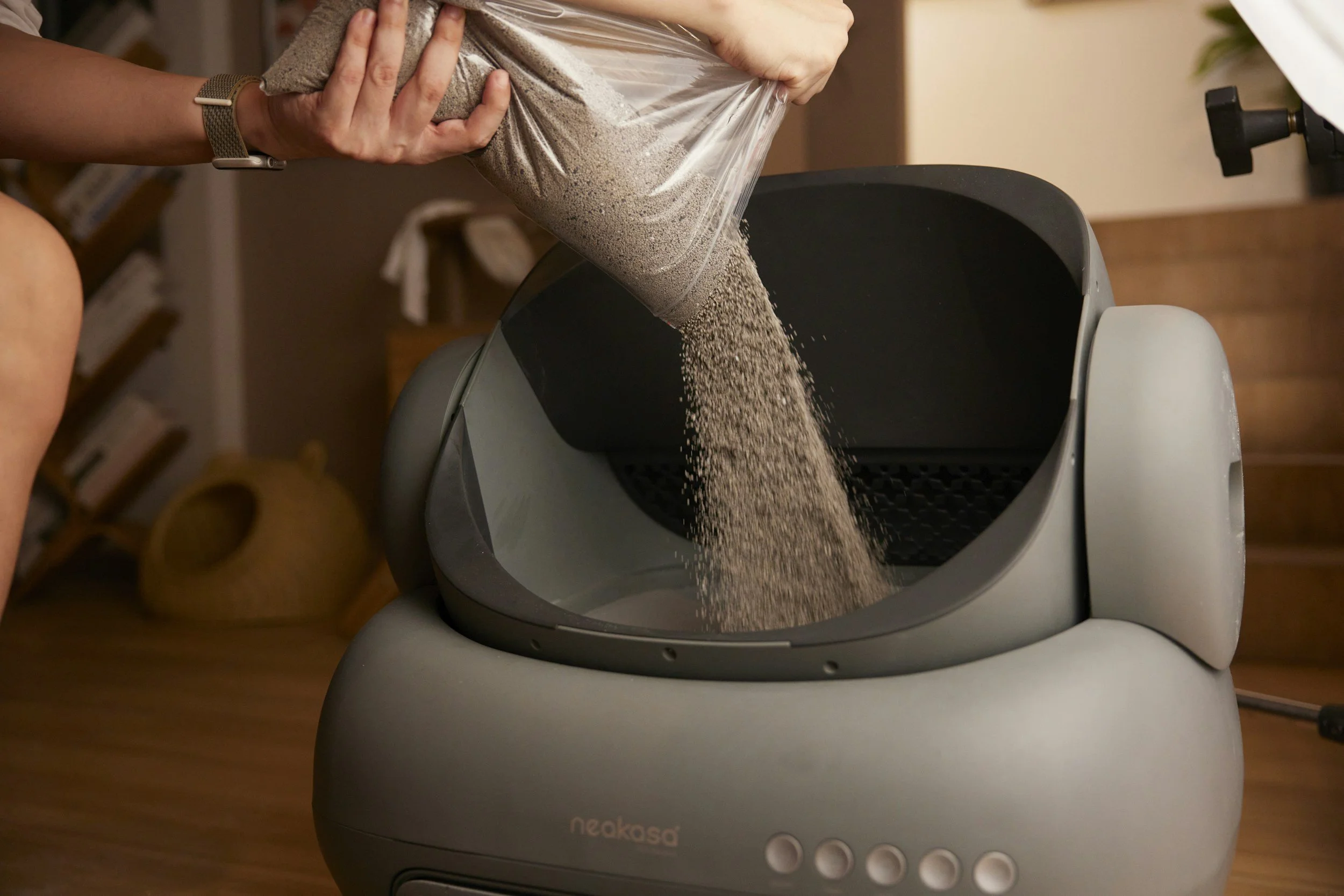
Another factor to consider when choosing a litter is whether your household works better with clumping or non-clumping options. Clumping litter can make scooping easier and help keep odor under control, but different cats may have preferences about texture or feel. Some cats strongly prefer softer, sand-like substrates that mimic natural soil. There is rarely a one-size-fits-all solution. Finding the right litter may require trying a few options until you discover what your particular cat prefers.
Some types of litter can cause problems for certain cats. Clay and silica litters may contribute to respiratory irritation, allergies, or digestive blockages if ingested. Because cats groom their paws after using the litter box, it’s important to consider what substances they might be ingesting indirectly. Kittens need NON CLUMPING natural litters as they are still learning and often prone to eating the substrate directly. I love a corn or walnut shell litter for baby cats.
For many cats, litters that most closely resemble natural sand or soil tend to be the most comfortable and intuitive. And remember: as cats age, their preferences and needs can change. A litter that worked well for a kitten may not be ideal for a senior cat with arthritis.
If your cat begins avoiding the litter box, the litter itself is always worth examining — but it isn’t always the whole story. Medical issues, stress, territorial conflict between cats, and environmental changes can all influence litter box behavior.
Because litter box problems can have many causes, it’s important to approach them thoughtfully and rule out medical concerns with your veterinarian when needed.
There is no perfect litter that works for every cat. But choosing a litter that respects your cat’s natural preferences — soft texture, minimal scent, and comfortable footing — can dramatically reduce the likelihood of litter box problems. Sometimes solving a frustrating behavioral issue begins with something as simple as what’s in the box. :)
Need help with your cat’s behavior?
I work with cat guardians worldwide on issues like:
• inter-cat aggression • house soiling • feline anxiety and so much more!