
Why Are My Cats Suddenly Fighting? (Causes of Inter-Cat Aggression and What to Do)
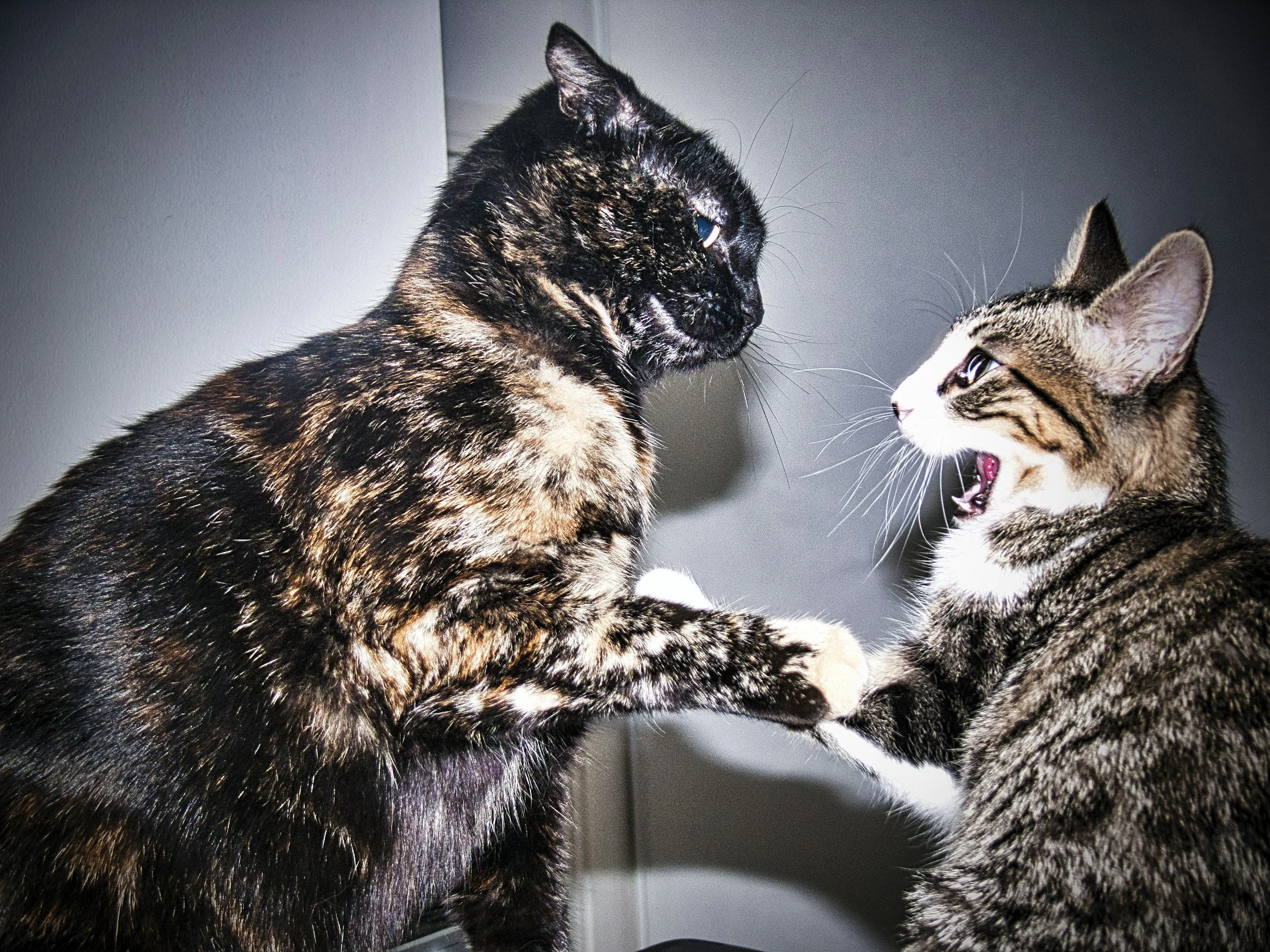
One of the most common reasons clients come to me is inter-cat tension or aggression.
I often hear things like:
“My cats used to be best friends!”
“This came out of nowhere!”
“One of them is bullying the other…”
And while it can feel sudden, it usually isn’t.
In many multi-cat households - especially those with three cats - dynamics can become complicated. Two cats may even “team up” against a third. What looks like one clear “bully” is often part of a larger, more nuanced social dynamic.
Guardians might start to notice:
house soiling (especially right around the litter box)
hearing fights (true fights are loud - play is silent)
tufts of fur on the floor
prolonged staring between cats
one cat hiding or sleeping more
a cat suddenly acting fearful
All of these are important signs that something deeper is going on.
Is it really sudden? In most cases, there were earlier signs — they were just subtle. Litter box avoidance can be one of the first clues. A cat may also start sleeping more, hiding, or withdrawing. (It’s always important to note that these can also be signs of illness, so they should never be ignored - always see your vet to make sure your cat is physically healthy before speaking with a behaviorist.)
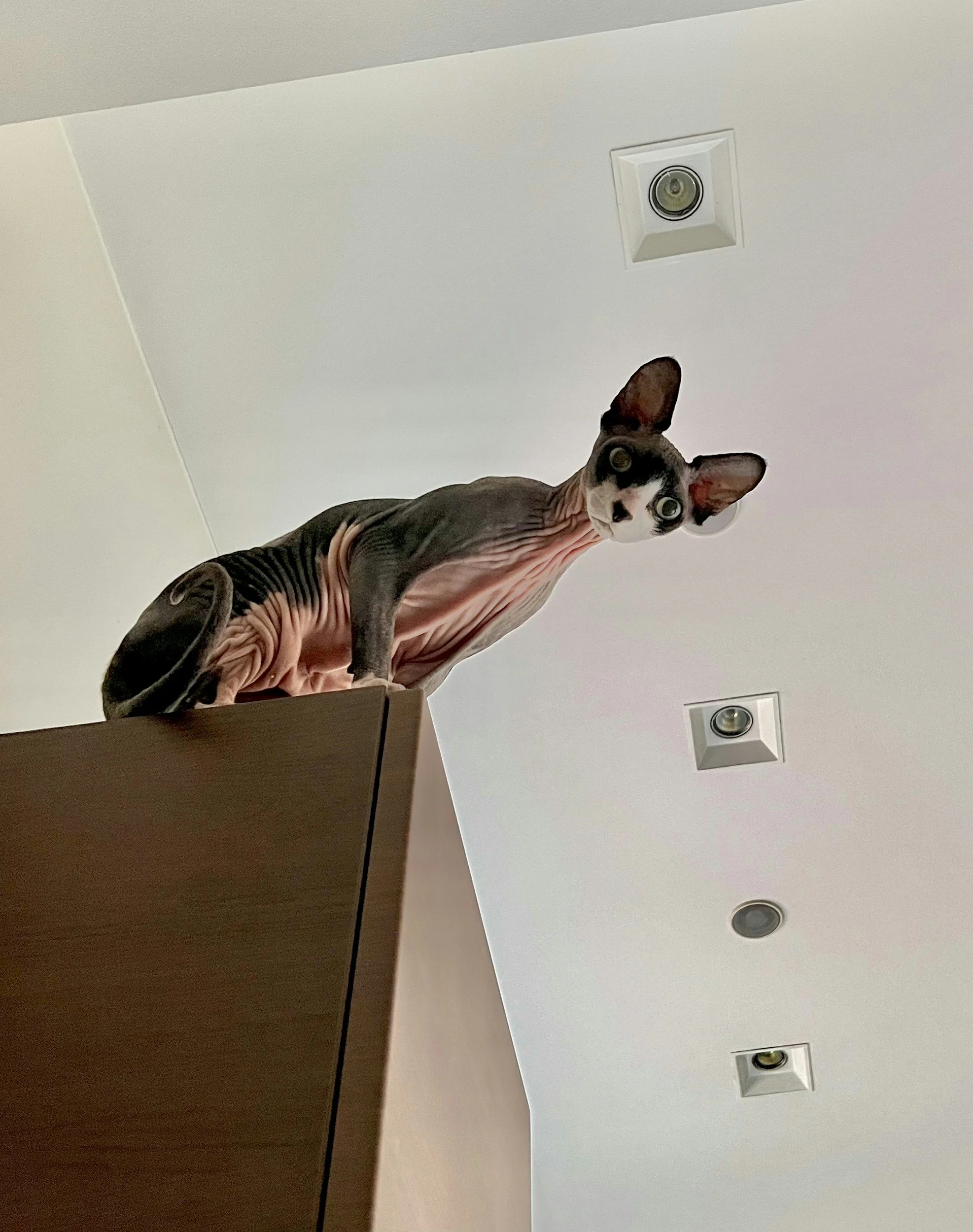
Cats often seek vertical space for safety. If one of your cats is always up high, that can be a sign they are trying to avoid another cat.
Staring is another big one. Unlike humans, cats do not see direct eye contact as friendly - it is often aggressive. If you notice staring between cats, it’s important to interrupt it by tossing a toy or creating a distraction.
Cats are also naturally good at time-sharing space, but tension can develop when that system breaks down. One cat may begin blocking access to hallways, stairs, or doorways - what I often call “playing bridge troll.” Others may begin avoiding each other entirely.
These are all early warning signs.
Why is this happening??? Inter-cat aggression can come from a variety of causes.
Are your cats suddenly fighting and you're not sure what to do next?
If you're struggling with fighting, chasing, stalking, bullying, or a breakdown in your cats' relationship, my Cat Relationship Reset consultation is designed specifically for multi-cat households. Together we'll identify what's driving the conflict and create a step-by-step plan to help restore safety and harmony in your home.
I always remind people that if we lived with the same roommate for our entire lives, we’d probably find them annoying sometimes too. 🙂 Cats have flexible social relationships - they may be close one day and distant the next.
But when behavior escalates into fighting, marking, or chronic tension, something more is driving it.
One of the biggest causes is redirected aggression.
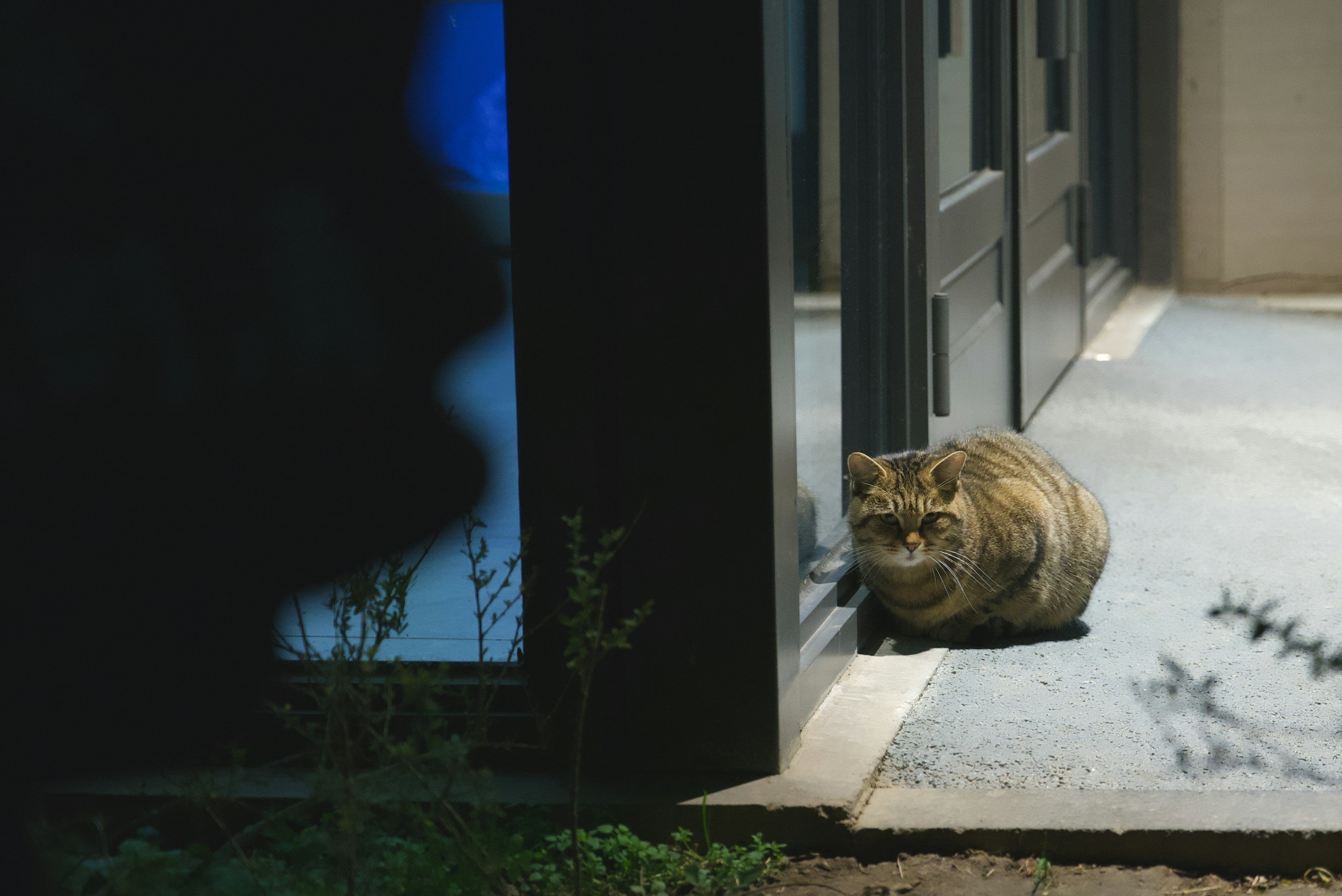
If your indoor cat sees an outdoor or feral cat through a window and cannot “defend” their territory, they often redirect that frustration onto the nearest target - frequently their former feline friend.
Stress is another major contributor.
This can come from:
resource competition (litter boxes, food, resting spots, toys, even access to you)
environmental changes (moves, new people or pets, schedule shifts)
medical issues
general household instability
One of my recent clients had two cats that had always gotten along - in fact, they were closely related! Suddenly one began attacking the other and the client had no idea why. During our initial discussion they casually mentioned that their ground floor apartment doors and windows were visited by lots of neighborhood street cats - and that actually, now that they think about it, the fighting may have started after one of the cats confronted a feral cat at a sliding glass door. Once frosted window film was installed on the door (letting light come in but keeping the outside cat from making eye contact with the indoor cats), and the former friend cats were reintroduced, the fighting stopped!
There are some common mistakes I see people make that can make situations worse. The biggest mistake I see is punishment.
Punishment never works with cats.

Do not yell.
Do not spray water.
Do not clap or startle them.
These responses can actually reinforce the behavior or increase fear and stress.
Another common mistake is forcing cats together - trying to “show them” they are friends. This often increases tension.
Feeding cats next to each other is another well-meaning but problematic strategy. Cats in the wild do not eat in close proximity, and forcing this - especially during conflict - can increase stress rather than reduce it.
What To Do Immediately After a Fight
First: never put your hands into a cat fight (ask me how I know this 🙂).
To safely interrupt a fight, use something neutral:
toss a toy that makes noise
shake a jar of coins
Avoid yelling or clapping - you don’t want your presence to become part of the conflict.
After a fight, separate the cats into different rooms with closed doors.
Give them time - sometimes hours, sometimes days - to decompress and come back down below threshold.
This step is critical!
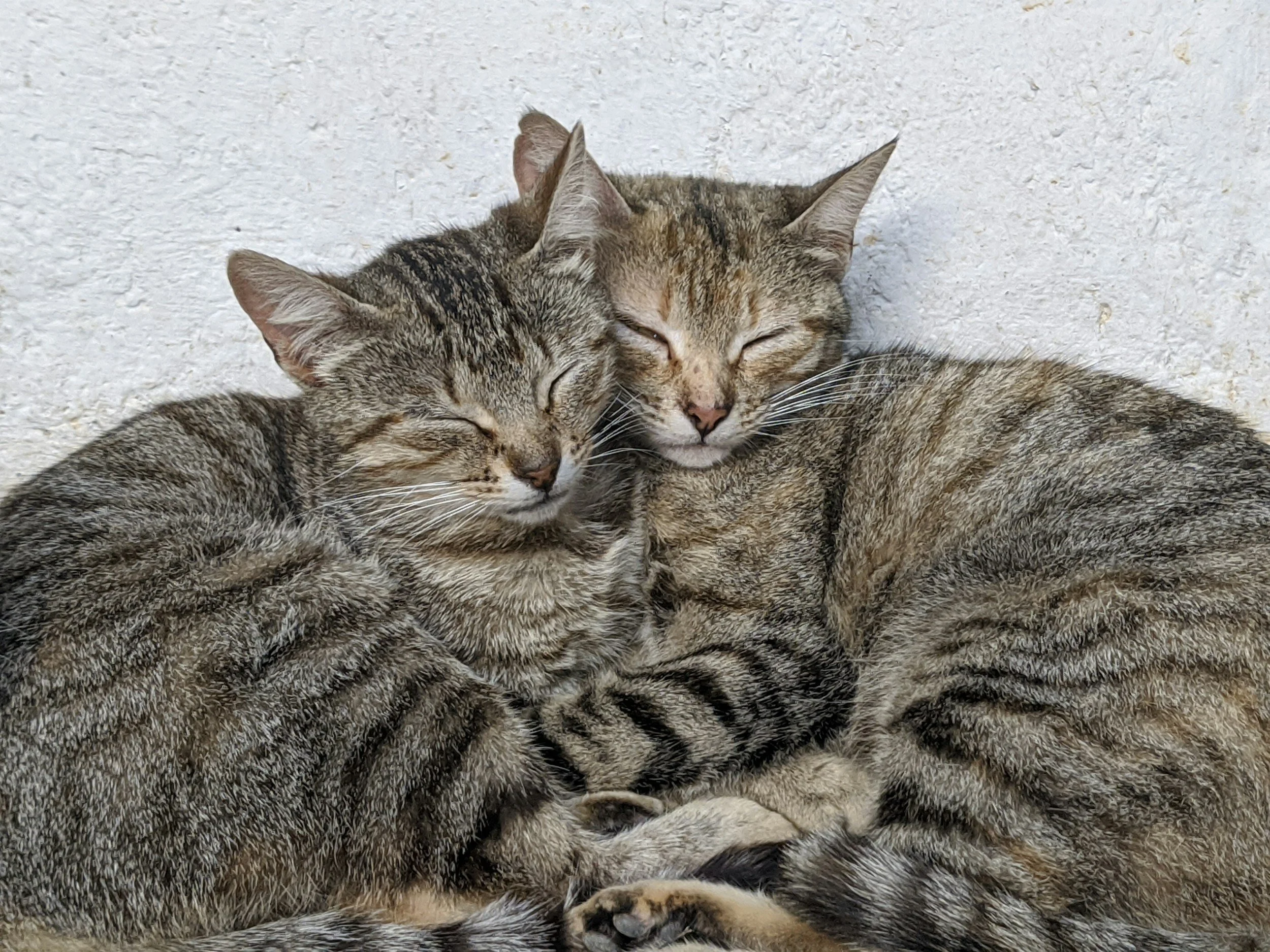
But will your cat recover from this? Yes - absolutely.
Even severe cases of inter-cat aggression can improve with the right approach.
This often includes:
behavior modification
environmental changes
increased intellectual stimulation
positive reinforcement
and sometimes medication
It’s important to remember that cats are both predators and prey. They can get stuck in behavioral loops where one cat attacks and the other reacts, and the cycle tightens over time.
Our job is to help them untangle that loop.
This is not usually an overnight fix, but once you fix it properly, the fix will hold!
If your cats are being physically aggressive - fur flying, vocalizing, prolonged staring, or causing each other to avoid resources like the litter box - it’s time to get professional help.
If the problem is increasing in frequency or intensity, don’t wait.
The earlier you intervene, the easier it is to resolve!
Remember - inter-cat aggression / conflict is a VERY common problem. Left untreated, it can lead to house-soiling, an issue no one wants! If your cats aren’t getting along, it can feel overwhelming, but remember that most cases improve significantly with the right plan and support!
Need help with your cat’s behavior?
I work with cat guardians worldwide on issues like:
• inter-cat aggression • house soiling • feline anxiety and so much more!