
Is My Cat Anxious? Signs of Feline Stress and What to Do Next!
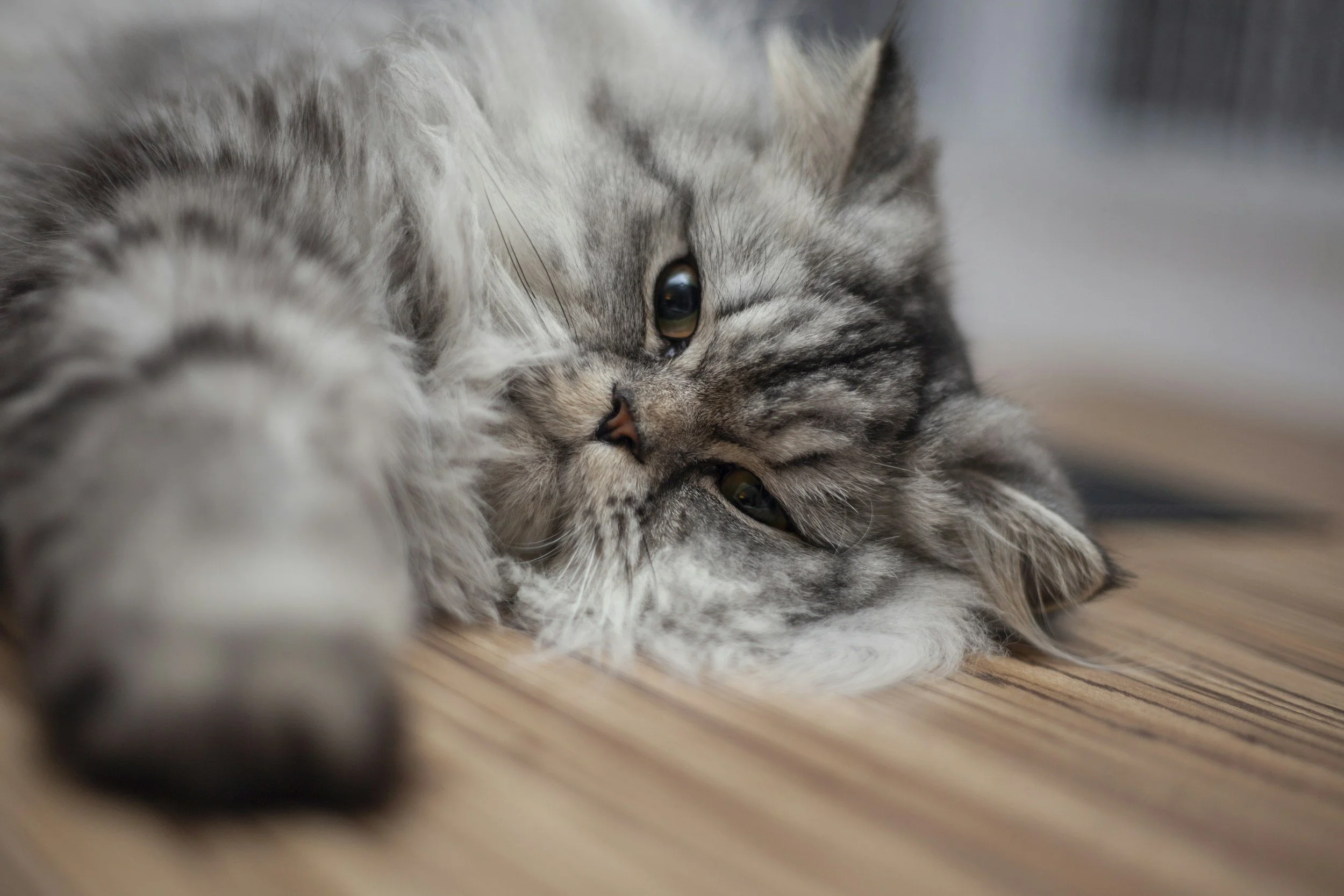
Cats can show anxiety in ways that are quite different from us humans. They may vocalize more. They may groom more (sometimes leading to overgrooming or bald spots) — or less. They may pace or demonstrate repetitive behaviors. Some cats eat less. Some sleep more. Some start hiding or quietly changing their routines.
All of these changes can also be signs of a physical issue, and it’s worth noting that anxiety and physical issues in felines often go hand in hand. A visit to your vet whenever you notice changes in your cat’s behavior is always a good idea. Additionally, cats are masters at hiding pain (remember they are predators but they are ALSO prey, so hiding weakness is paramount for them), so if you see hiding, sleeping more or changes in appetite and grooming a vet visit is in order. For acute pain monitoring, I love the Feline Grimace Scale app.
More severe anxiety can often look like an increase in the frequency or intensity of the above behaviors. You might also begin to see aggression — toward you or toward other cats in the home. House soiling (urinating or defecating outside the litter box) can develop. A cat who was previously fine in certain situations may become reactive. Digestive issues, including diarrhea and vomiting, can show up. Some cats become hypervigilant — staring, watching, unable to relax.
Again, all of the above also warrant a thorough veterinary checkup. If not addressed early on, anxiety and stress can lead to serious behavior problems that can take a long time to unravel. If you suspect anything is wrong, contact a vet and / or behavior professional!
So what causes anxiety in cats? You might similarly ask — what causes human anxiety? 🙂
The answers can be really varied! Changes are often the root cause, both large and small. Moving to a new home. A new baby or family member. A new roommate (human or animal). A feral cat marking outside in view or smell of your indoor cat. A new sound that is upsetting. A suddenly unpredictable human schedule.
PTSD from former experiences can be triggered by something subtle in the present. Separation anxiety can occur. And boredom is a HUGE one. Cats are programmed to hunt for 10–12 hours a day, but living in our homes they often become bored and anxious because there is nothing for them to hunt.
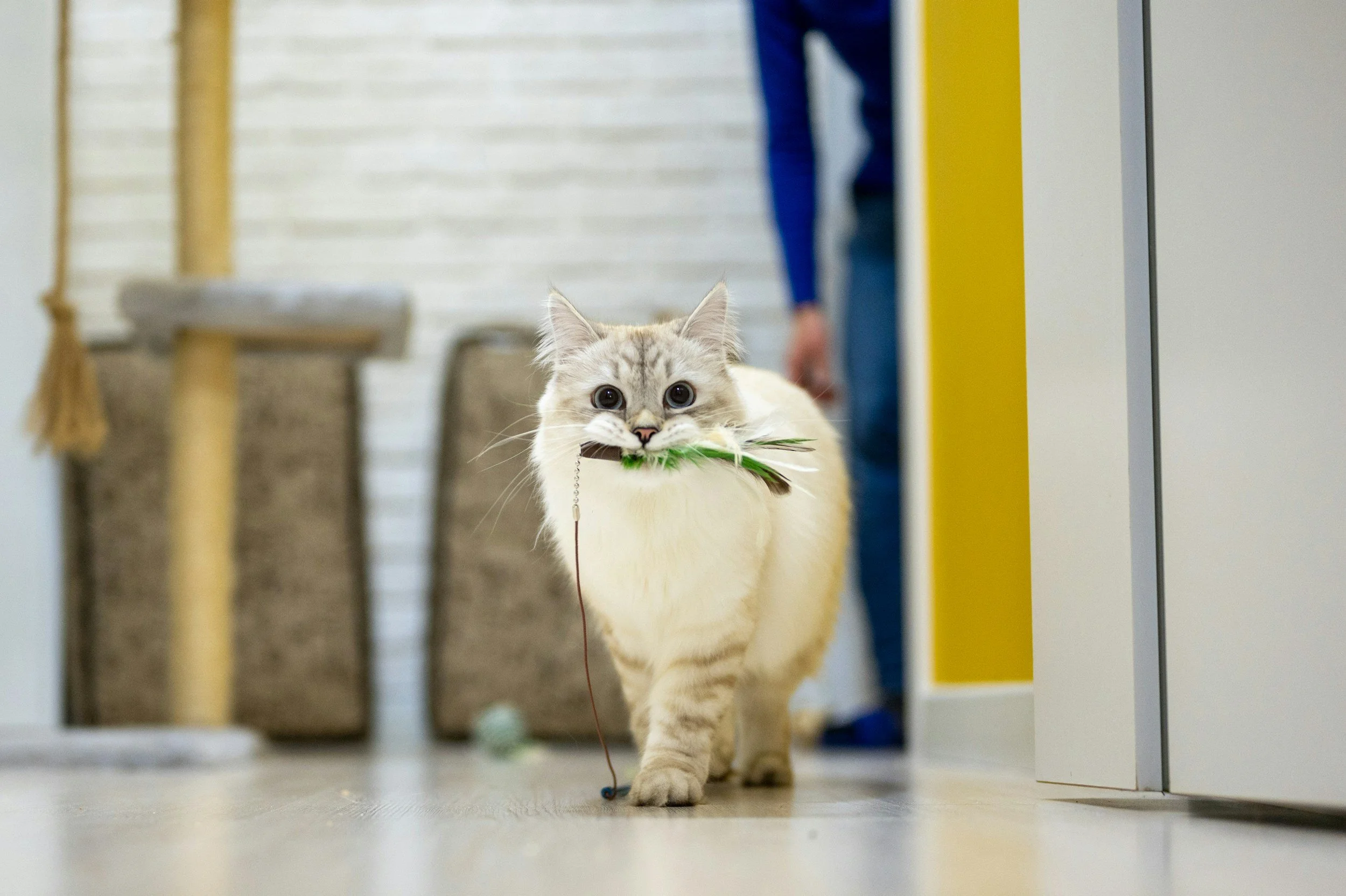
Adding intellectual and environmental stimulation can go a long way towards helping felines who are stressed from boredom. Cats are wired to complete the hunting cycle: stalk – chase – pounce – grab – kill – eat. We can simulate hunting by adding a bird feeder for them to view, cat TV, or similar enrichment, and pairing that with a puzzle feeder filled with their dry food so they can enact the entire cycle. Check out the blog post I did on intellectual stimulation here!
Environmental stimulation is also very important. Make sure your cat has:
Plenty of high perches to sit on
Hiding spaces to relax in
A home that is not filled with strong scents (plug-ins, diffusers, scented candles — many of which can be irritating or dangerous to cats)
Predictability in feeding, playtime and training times are also super important to cats. Cats LOVE a schedule and love to know what is happening when, with whom, and how it’s going to go. The more you make life predictable (but not boring!) for your feline, the less stressed they will be.
So how do professionals determine what’s driving your cat’s anxiety, or even if anxiety is the root cause of their problem? A veterinarian or behaviorist will take a thorough history of your pet to determine what might be the driver. A full physical exam is essential to rule out physical causes or concurrent issues. Pain from chronic issues like arthritis or IBS/IBD can often cause stress — or be caused by stress. Addressing pain in cats can go a long way, especially when eliminating house soiling issues that stem from those stressors.
Pet parents can expect resolution — but not necessarily one that happens immediately. Multipronged approaches are common:
Fully behavioral treatment
Behavioral treatment + medication
Medication-based intervention
You might be asked to add additional intellectual and environmental stimulation to your home, and to make things more predictable and safe-feeling for your cat.
In short, there is no “catch-all” answer. Each case is about finding the right pieces to solve that particular puzzle.
This can feel overwhelming at first, but is absolutely manageable. Take it step by step and follow the guidelines your professional gives you - and the pace your cat sets!
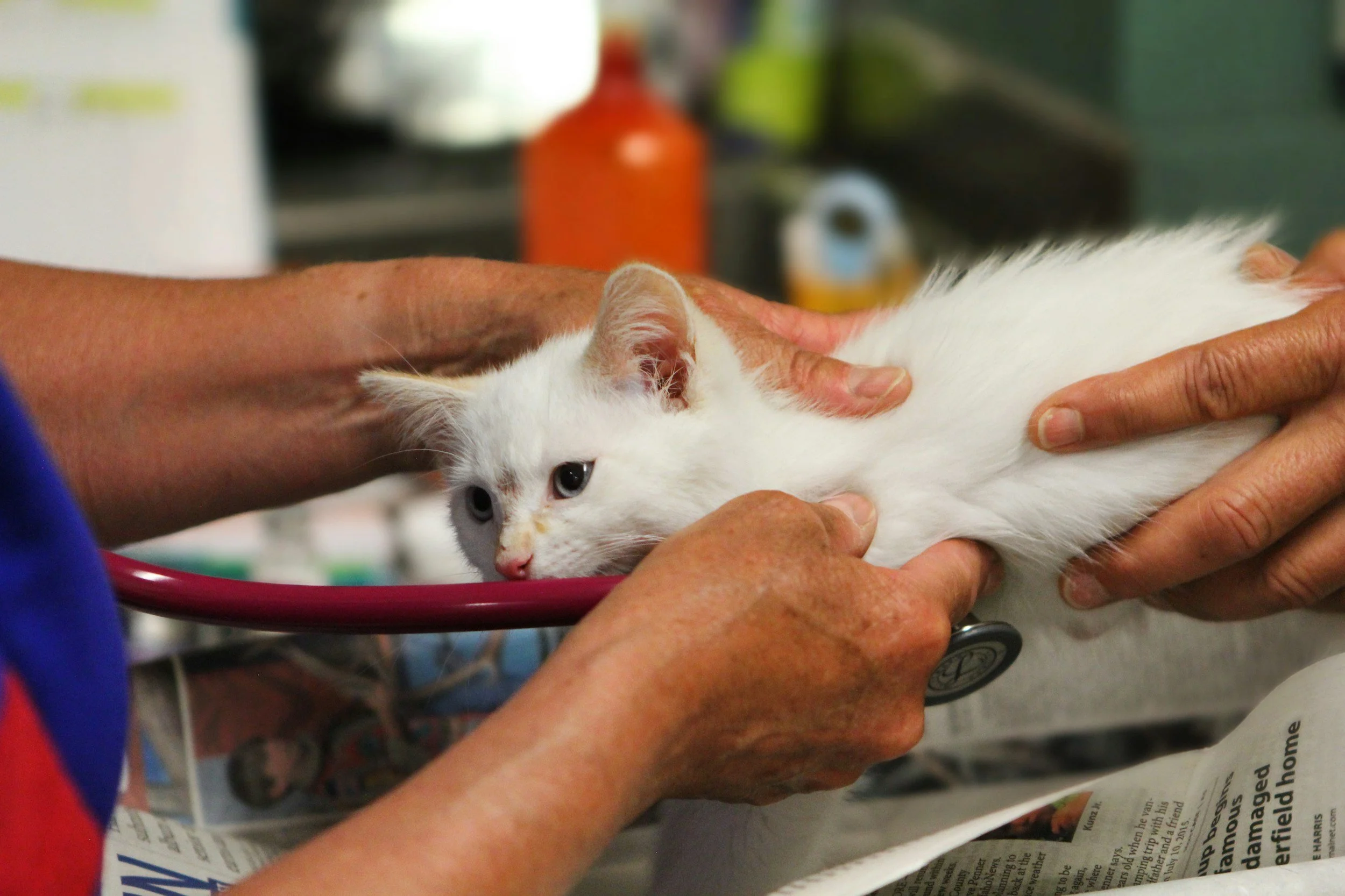
If your vet or behaviorist determines that your cat would benefit from psychopharmacological intervention, your cat will most likely need bloodwork before starting and again about one month after to ensure kidney and liver values remain stable.
Most SSRIs are tolerated well by cats and can often be faded after an appropriate period of time. These medications should never be stopped cold turkey — they must be tapered with veterinary guidance.
For anxious cats, I often recommend having medication compounded into a transdermal ointment that can be applied to the inner ear flap daily. Chasing and pilling an already anxious cat can exacerbate stress and damage the bond between cat and caregiver. It’s important to remember that the use of medication is not a failure! Medication is a tool that often lowers your pet’s baseline anxiety enough for behavioral work to take hold. Make sure that your veterinarian and behaviorist are in contact so they can work together on the most appropriate plan for your pet, and keep each other up to date on progress.
To close, anxiety in cats is not about “bad behavior.” It’s about unmet needs, pain, unpredictability, boredom, overstimulation — or a combination of many factors. The earlier we address it, the easier it is to resolve! If you’re noticing changes in your cat’s behavior and aren’t sure what’s driving them, start with your veterinarian. And if anxiety appears to be part of the picture, thoughtful behavioral support can make a profound difference. Feel free to book a consultation today to discuss any concerns you may have regarding your feline companion.