
Is Your Cat Peeing Outside the Litter Box? It Could Be FLUTD (Not a Behavior Problem!)
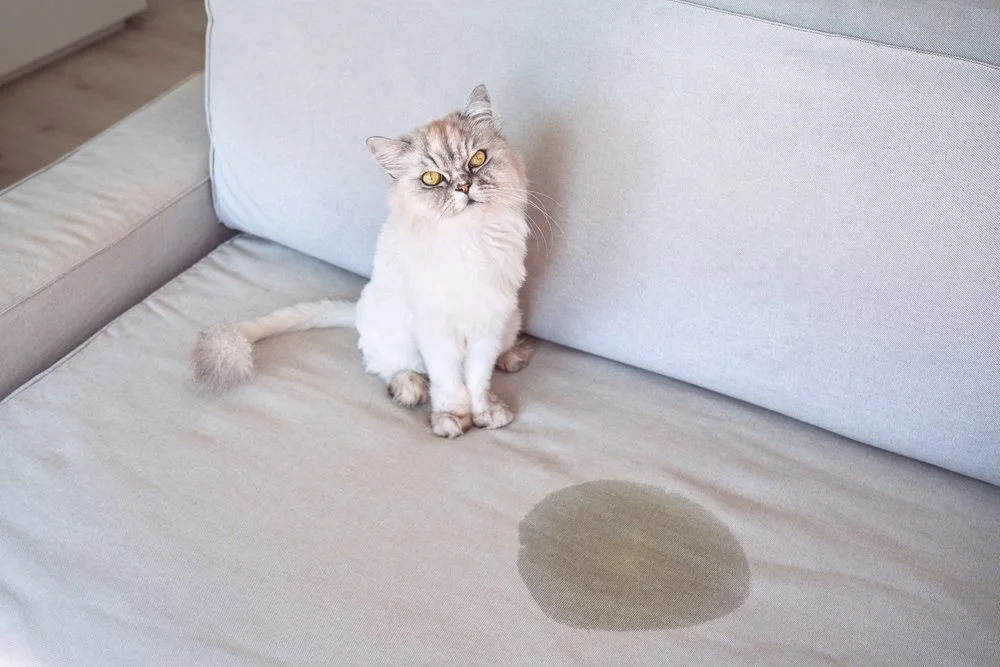
When a cat starts urinating outside the litter box, most people assume one of two things: the litter box setup is wrong, or the cat is acting out. Cats do NOT act out out of spite or malice - if you don’t have a litter box bully at home, and your set up is good, it may be time to start investigating medical causes of this issue!
One of the most common medical drivers behind house soiling in cats is Feline Lower Urinary Tract Disease (FLUTD) - a broad term that refers to a group of painful urinary conditions affecting the bladder and urethra. And within that category, the most common diagnosis is Feline Idiopathic Cystitis (FIC) - inflammation of the bladder with no identifiable infection or stones. In other words, what looks like a behavior problem may actually be pain.
FLUTD is not a single disease. It’s an umbrella term used to describe several different conditions that interfere with normal urination. These can include urinary tract infections, bladder stones, congenital abnormalities, cancer in older cats, and idiopathic cystitis. Because FIC is a diagnosis of exclusion, veterinarians must rule out other causes before arriving at that conclusion.
What makes this especially important for guardians to understand is that FIC - the most common cause - is often strongly associated with stress. That doesn’t mean the problem is “just behavioral.” It means the body and the environment are interacting in very real physiological ways!
One of the most persistent myths in feline behavior is that cats urinate outside the litter box to “teach us a lesson” or express anger. They don’t.
When a cat has bladder inflammation, urinating becomes painful. The bladder lining, which normally protects tissue from urine irritation, can become compromised under stress. Without that protective barrier, urine itself becomes irritating. In severe cases, inflammation can even cause ulceration inside the bladder. If a cat feels pain while urinating in the litter box, it is completely logical for them to try another surface. From their perspective, they are problem-solving.
Pain-based avoidance is not a behavioral vendetta!
There is one situation where litter box issues stop being a nuisance and become life-threatening: urinary obstruction.
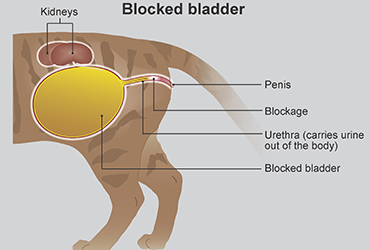
Male cats are particularly vulnerable because their urethra is longer and narrower. Severe inflammation, mucus plugs or stones can block the urethra completely. A blocked cat cannot pass urine, and this is a medical emergency. Without treatment, it can be fatal. If your cat is repeatedly entering and exiting the litter box, straining, vocalizing, or producing little to no urine, they need immediate veterinary care. Even female cats, though less commonly affected, can obstruct and should be seen promptly if straining is observed.
Not all urinary cases are dramatic. Some cats begin grooming their lower abdomen excessively, sometimes to the point of hair loss. Others may make more frequent litter box trips without producing much urine. Some start urinating in sinks or bathtubs - surfaces that may feel cooler or less associated with prior discomfort. These subtle shifts often precede more serious symptoms. Paying attention early can prevent escalation.
Cats who are highly sensitive, reactive, or chronically vigilant appear to be more predisposed to FIC. Some emerging discussions suggest differences in stress hormone regulation in these individuals. When stress hormones rise, they can compromise the bladder’s protective lining, increasing inflammation and discomfort. Triggers are often predictable - travel, houseguests, moving furniture, adding a new cat - but sometimes they are surprisingly subtle. Even routine changes can destabilize a sensitive cat!
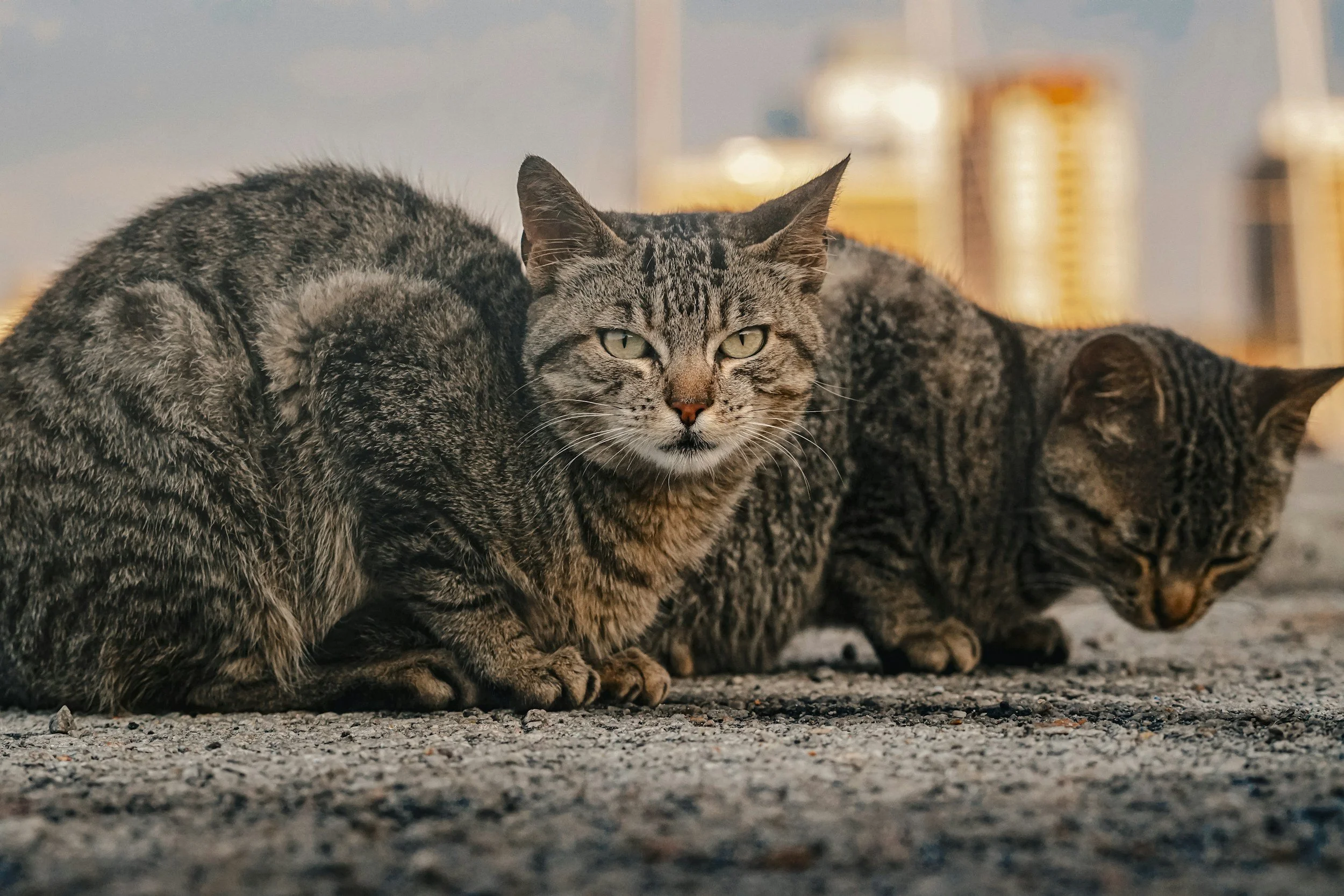
Multi-cat households add another layer. Research and clinical experience suggest that cats living with other cats are at higher risk for stress-mediated urinary disease, and this tension does not have to be overt. Slight ear shifts, stiff body language, avoidance arcs in hallways - these quiet social negotiations can add up. To humans, nothing appears wrong. To a sensitive cat, the environment may feel chronically unsafe.
Because FIC is a diagnosis of exclusion, proper testing matters.
A veterinarian will begin with a physical exam and palpate the bladder to assess for obstruction. Urinalysis and urine culture are critical to determine whether bacteria are truly present. Imaging such as radiographs or ultrasound may be necessary to identify stones or structural abnormalities , and bloodwork may be indicated, particularly in older cats or those with systemic illness.
Antibiotics should not be given automatically! Many urinary flare-ups are self-limiting and resolve over time even without antibiotic treatment. Unnecessary antibiotic use contributes to resistance - an increasingly serious issue in both veterinary and human medicine.
When it comes to long-term management of FIC, two interventions consistently make the biggest difference: hydration and environmental stability.
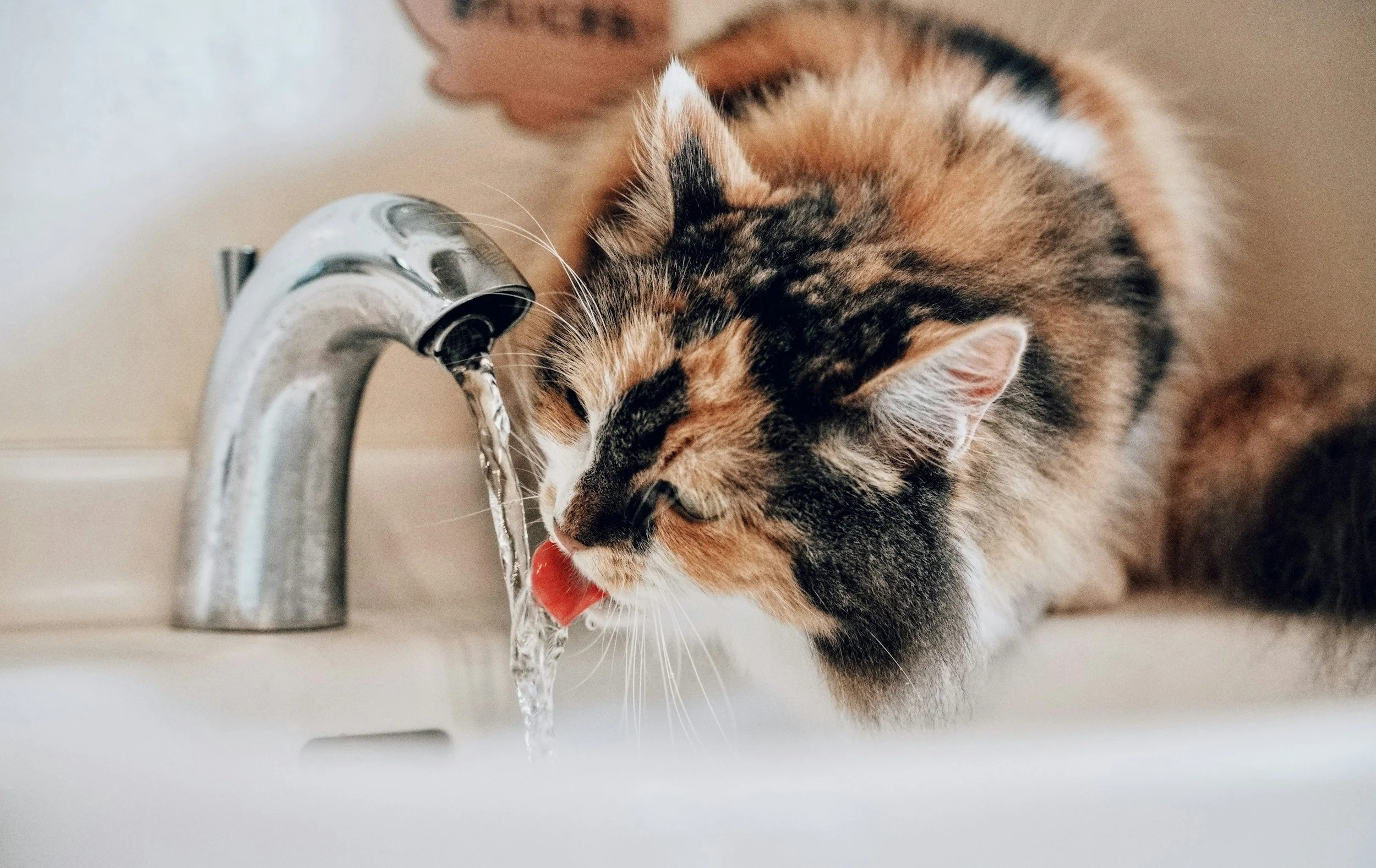
Increasing water intake is one of the most powerful protective strategies. Wet food diets significantly improve hydration and dilute urine, reducing bladder irritation; many clinicians see recurrences when cats return to dry food. Adding water to meals, offering multiple water sources, and incorporating moisture-rich diets can dramatically reduce flare frequency. Hydracare is a hydration supplement we use in our own home with our FIC cat, and new research demonstrates its efficacy!
Equally important is environmental enrichment. Cats need vertical territory, predictable routines, safe resting spaces, and daily opportunities for play and predatory expression. For intelligent, high-arousal cats, cognitive engagement such as clicker training and pattern games can provide structured mental stimulation that reduces stress physiology.
Stress reduction is not indulgent! It is medical prevention.
Some cats experience a single episode that resolves once diet and environment are improved. Others may have recurrent flares that require ongoing management. Early intervention, stress reduction, and hydration dramatically influence outcomes. The key is recognizing the problem early and responding comprehensively.
So what’s the takeaway here? If your cat is peeing outside the litter box, assume nothing. Rule out medical causes first. Increase hydration. Reduce environmental stress. Observe social dynamics. Collaborate with both your veterinarian and, when appropriate, a behavior professional.
What looks like defiance is often discomfort.
And sometimes, what looks like “behavior” is simply the bladder asking for help.
Click below to watch an episode of my feline behavior podcast, Hiss and Tell, that delves deeper in to FLUTD and FIC with Dr Gina Rendon!
Need help with your cat’s behavior?
I work with cat guardians worldwide on issues like:
• inter-cat aggression • house soiling • feline anxiety and so much more!