
Top Signs Your Cat Trusts You and Feels Safe at Home!
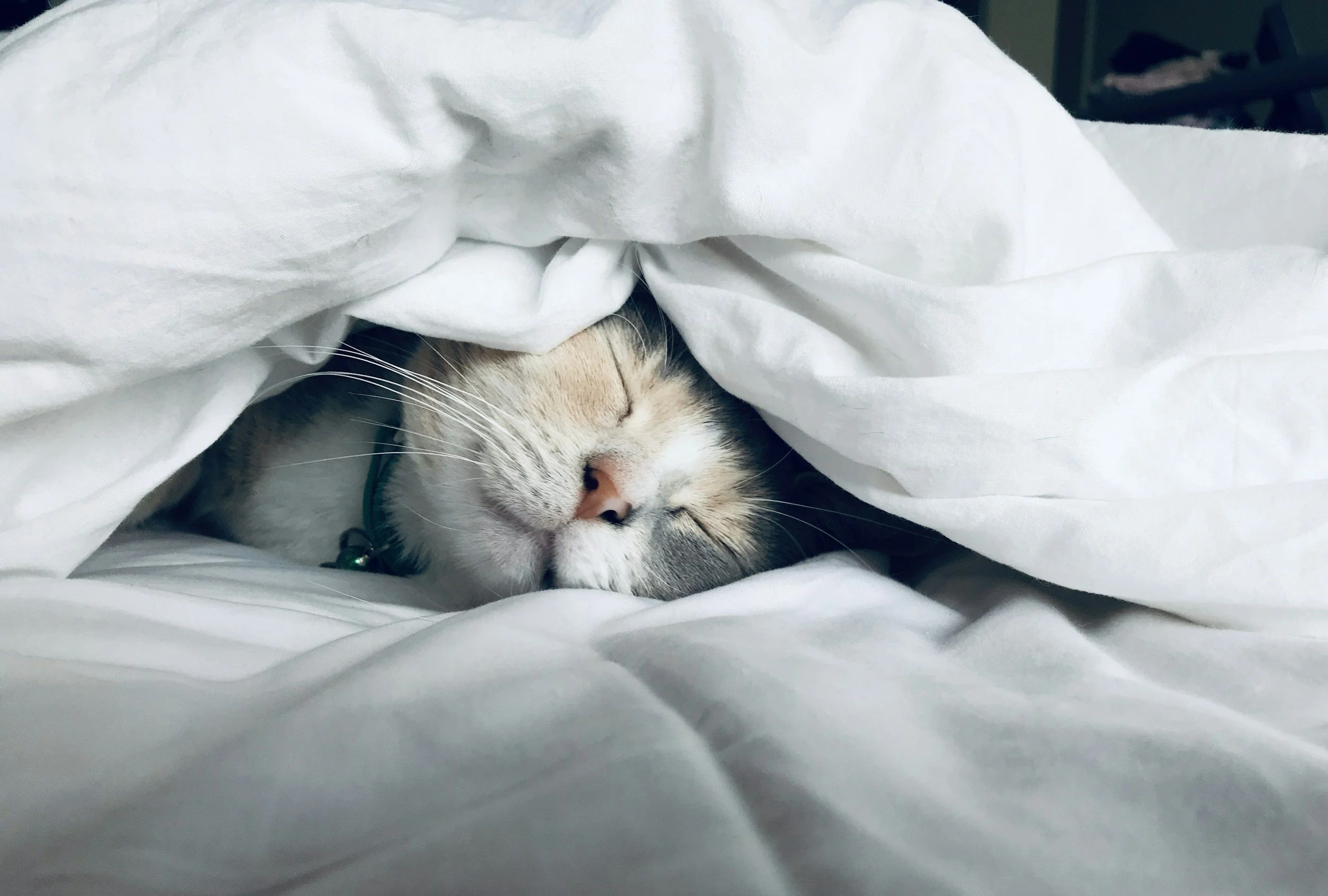
Cats can show that they feel safe at home with us in a variety of different ways and, like humans, each cat is an individual with their own personality, preferences and behavioral tendencies.
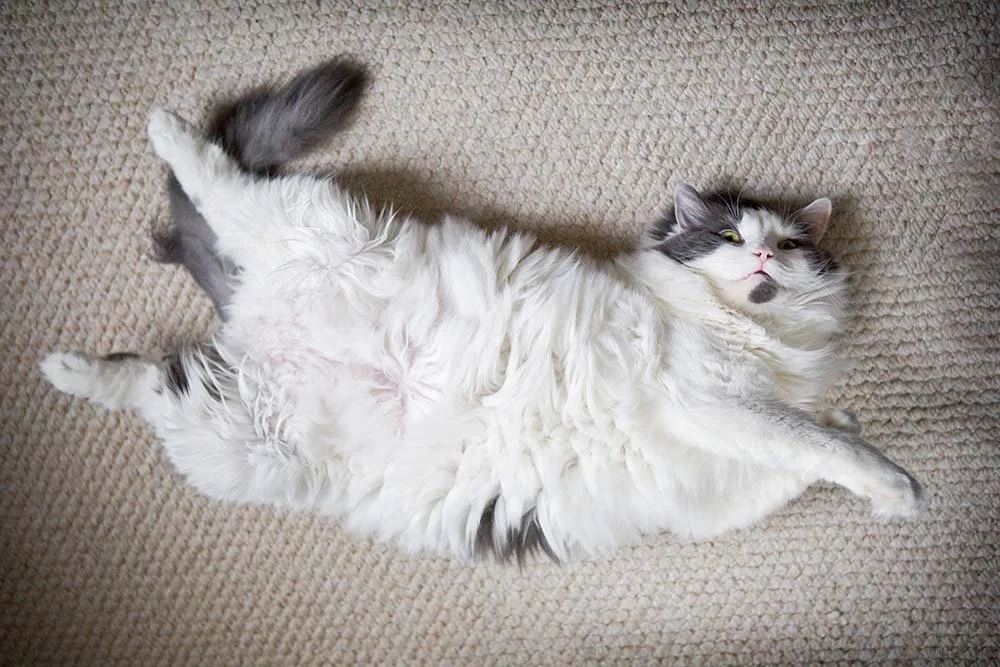
A really great way that your cat can show that they feel emotionally safe around you and in your home is through vulnerability. Remember - cats are both predators and prey, so they can feel stressed and at risk pretty easily. If your cat rests or sleeps with or near you, that’s a great sign! If they expose their stomach while resting (not necessarily an invite to pat or rub it, by the way) that’s another way to show that they are comfortable. Stretching out fully is also a way for them to express that they are totally relaxed and not feeling the need to be ready to flee at a moment’s notice.
Slow Blinking and Social Bonding
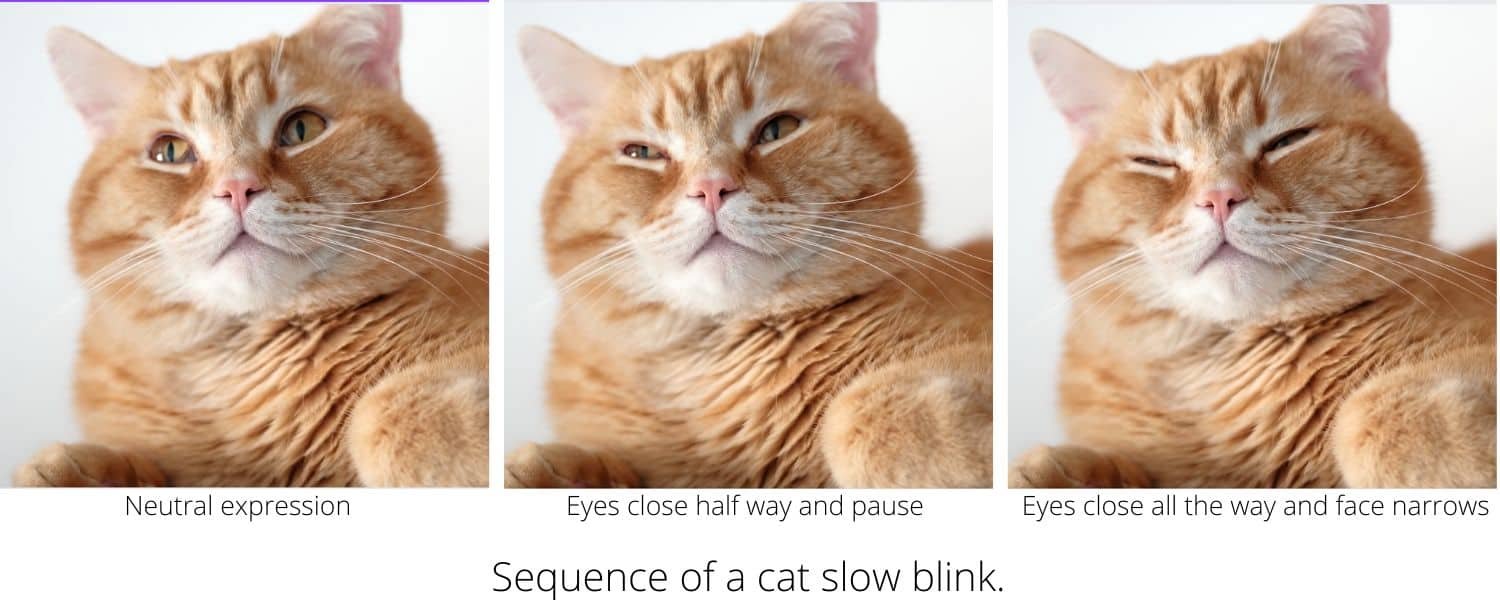
Slow blinking is a huge part of feline communication — both between cats and between cats and their human guardians. Cats slow blink at each other to show trust, affection and comfort, and they mean the same things when they do this behavior with us. If you notice your cat slow blinking at you, that’s an amazing sign.
Now do it back! :)
Other types of social contact from your cat are also important. Does your cat follow you around the house? (Not all the time in an anxious way, but in a curious manner.) Do they greet you when you come home? We always have at least 5–7 cats waiting at our front door when we return. Does your cat rub their cheeks or head on you to mark you with their smell? Do they sit near you and just relax?
These are all super important affiliative signals that show not only that your cat feels emotionally safe with you, but also that they love and LIKE you.
Play Is a Huge Indicator of Emotional Wellbeing

Play is extremely important here - we don’t see much play in anxious or depressed felines.
If your cat solicits play with or from you, entertains themselves with toys, plays with other animals in your home, invents games or otherwise engages in playful activities, you’re on the right track.
Expressing normal cat behaviors such as:
scratching appropriately
toileting in the litter box
viewing life out the window
exploring your home
…are all good signs that your cat is well-regulated and feels safe in their environment.
In fact, some of the first signs of emotional instability in felines are often expressed through house soiling (not using the litter box) and / or suddenly scratching objects in the home that are not meant for them, like your couch.
These signs should not be punished. Instead, you should consult with your veterinarian or a feline behaviorist to get to the root of the problem.
How Your Cat Recovers From Stress Matters Too
This one may sound a little weird, but a quick recovery from events that startle or throw your cat off balance is also a great sign.
Let’s say there’s a sudden loud noise. After the initial shock, does your cat go back to their normal routine, or do they spend the rest of the day hiding under the bed?
If you have strangers visit your home, does your cat eventually come out to investigate or greet them, or do they remain hidden until everyone leaves?
If your feline is able to recover from changes quickly, this indicates that they feel safe in their environment and are able to function well under threshold.
Relaxed Body Language Is Key
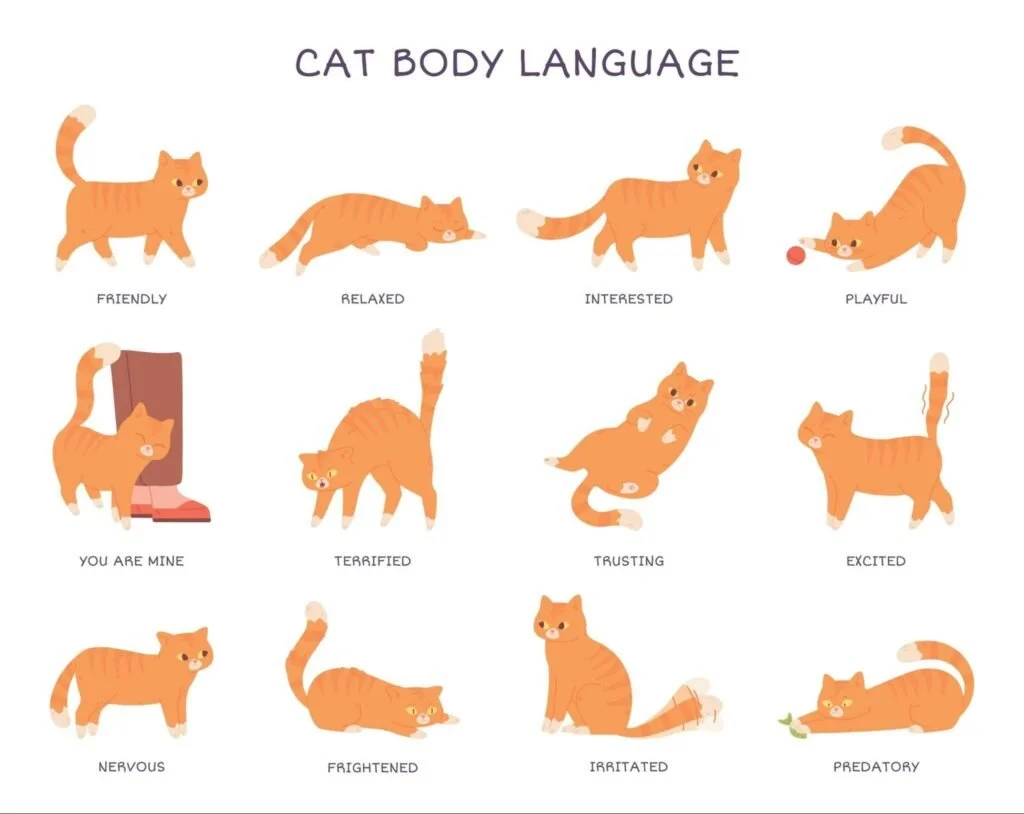
Body language tells us so much about how a cat is feeling emotionally.
Are their ears neutral? Is their tail mostly straight up or held out naturally (rather than tucked under)? Are their muscles relaxed and their posture loose? Are their eyes soft rather than huge saucer eyes with giant pupils?
If your cat looks relaxed, they probably are.
And a relaxed cat is generally a happy, trusting and emotionally safe cat.
Helping Your Cat Feel Safer at Home
If you are worried that your cat isn’t showing the signs above, try adding more intellectual and environmental stimulation.
Cats love to be high up and have hiding places, and often our homes simply aren’t set up that way for them.
Make sure your cat has:
vertical space
hiding spots
perches by windows
opportunities to observe the outdoors safely
I personally love setting up a bird feeder so cats can observe birds safely (for both the cats and the birds) and pairing that with a food puzzle so felines are able to go through their entire natural hunting sequence.
As mentioned before, play is really important for cats, so make sure you are playing with your cat for at least 15–20 minutes daily.
And stick to a routine! Cats LOVE routine. They like when events are predictable and when they know they will have time to play, snack and snuggle with you every day.
If you’re still worried, book an appointment to help get to the bottom of your cat’s needs!
I work with cat guardians worldwide on issues like:
• inter-cat aggression • house soiling • feline anxiety and so much more!